Published
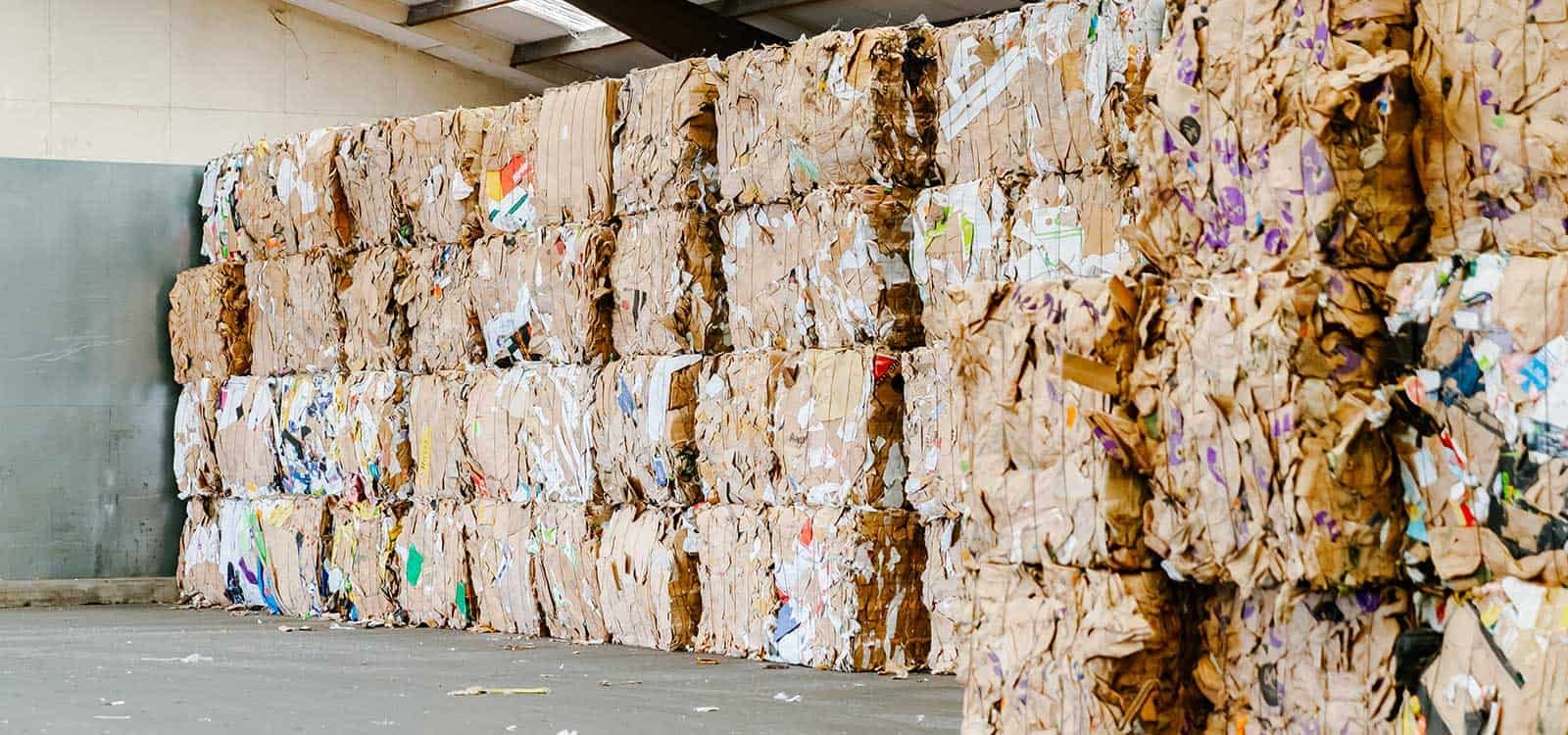
A baler compresses loose material into dense, stackable blocks. That sounds mundane, and the effect on what your waste is worth is not.
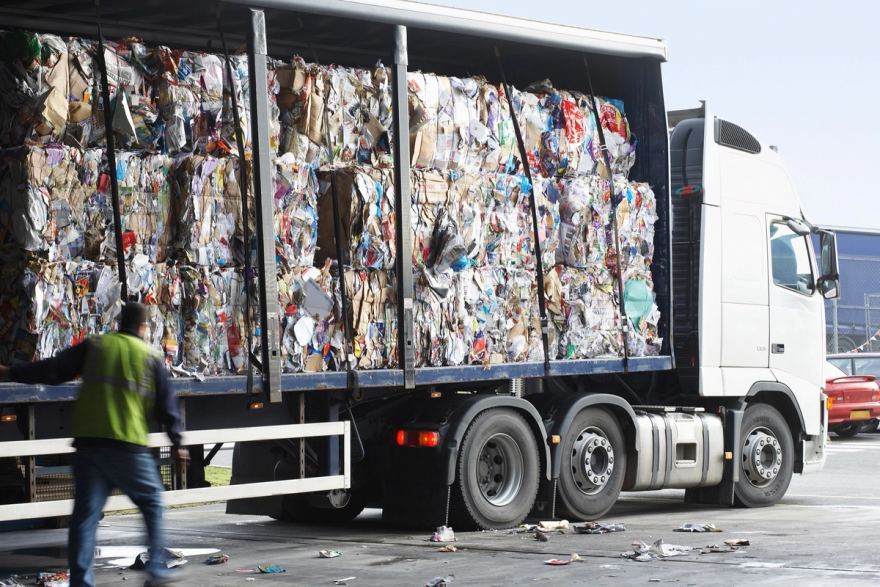
Loose cardboard is mostly air. A lorry carrying loose corrugated is carrying very little corrugated, which is why collecting it rarely pays. The same material baled is a commodity with a specification and a buyer.
What changes when you bale
- The material becomes sellable. Mills buy to specification, and specification includes presentation. Mill-size bales of one grade are straightforward to place. Loose material of the same grade often is not.
- Collections drop. Baled material takes a fraction of the space, so a site emptying a skip weekly might move to a collection every few weeks.
- You get your yard back. Bales stack. Loose cardboard in cages and dolavs does not.
- Housekeeping improves. Compacted material is tidier, less of a fire load and less attractive to pests than an open cage of card.
When it is worth it, and when it is not
Baling equipment costs money, takes floor space and needs someone to operate it. It is worth it when a site produces a consistent volume of one material, week in week out, and has somewhere to put the machine.
It is often not worth it for smaller or irregular volumes. If you produce a few cages a month, a baler will sit idle and the capital would be better spent elsewhere.
There is a middle case worth knowing about. If you do not bale, you can bring loose material to a recycler who does. We bale on site at our yard near Melton Mowbray, so material that would not justify a machine on your premises can still reach a mill.
Before you buy one
Ask what your material is actually worth baled, and what a collection would look like either way. Sometimes the answer is that a baler pays for itself inside a year. Sometimes it is that your volumes suit delivering in, and the capital is better left alone.
We work with equipment partners and can arrange baling equipment where it makes sense. We will also tell you plainly when it does not.