Published
If your business produces recoverable material, there are two ways it reaches the mill that eventually uses it. Either you deal with the buyer directly, or you deal with someone who deals with the buyer.
Both are legitimate. They suit different situations, and knowing which you are in is worth a few minutes.
What a broker actually does
A waste broker arranges services rather than providing them. They hold relationships with collectors, processors and recyclers, and put together an arrangement that covers what a site needs.
The value is coordination. A business with several sites, mixed waste streams and a compliance burden may genuinely benefit from a single point of contact who handles all of it.
The trade-off is distance. A broker does not handle your material, so what happens to it, what grade it makes and what it earns are all one step removed from the person you speak to.
What dealing direct changes
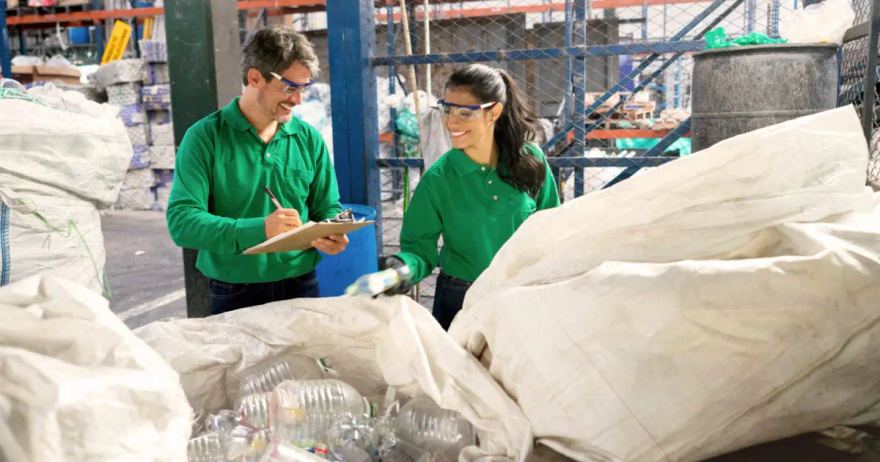
A recycler who buys your material handles it themselves. They grade it, process it and sell it on, which means they can tell you precisely what a load made and why.
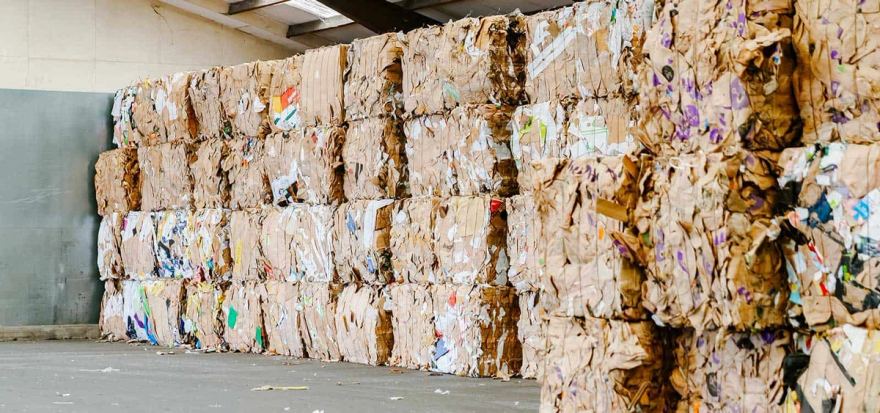
That matters most when the material has real value. Cardboard, film, rigid polymers and clean production scrap are commodities with published market indices. Every intermediary between you and the mill takes a margin, and on a single-material stream that margin is worth understanding.
It matters less if your waste is genuinely mixed, low-value or spread across sites in a way that needs managing rather than buying.
How to tell which you are in
- Do you know what grade your material makes? If nobody has told you, you are probably a step or two removed from whoever decided.
- Do you produce a consistent stream of one thing? Single-material volume is what a buyer wants. Mixed general waste is what a service manages.
- Is your paperwork in one place? Duty of care runs from your site to final disposal regardless of how many parties are involved. More links means more to keep track of.
- Are you being paid, or charged? Recoverable material at volume should be earning something. If everything on your site is a cost line, it is worth asking why.
Where we sit
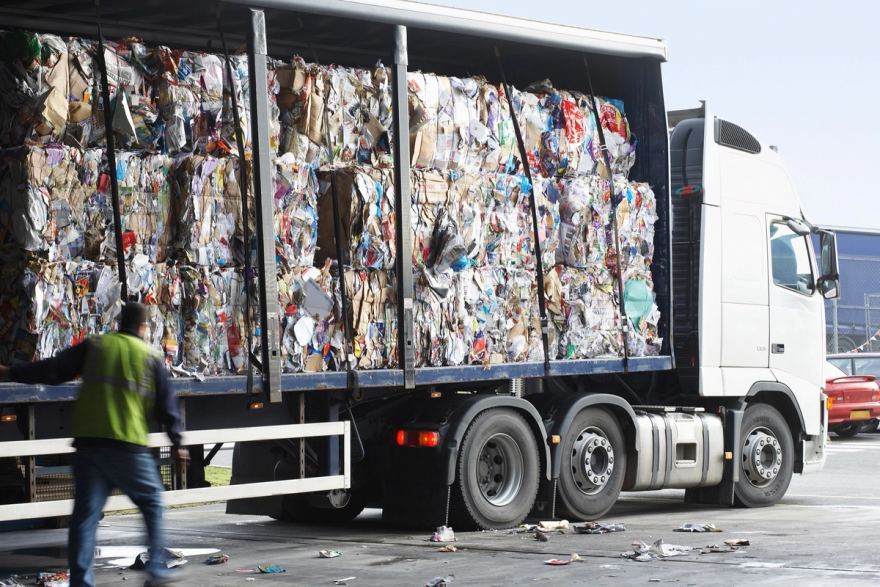
Greenview buys material outright. We collect it or take delivery, grade and process it at our own site, and move it on to the mills and reprocessors that use it. There is no third party between your material and the person quoting for it.
That suits businesses producing commercial volumes of recoverable material. It suits mixed low-value waste across many sites considerably less well, and we will say so.