Published
The cost of sending material to landfill in the UK has been climbing steadily for two decades, and the direction of travel is not in doubt. Landfill tax rises annually, and the standard rate is now many times what it was when it was introduced.
For a business, that shows up as a slow increase in the price of a general waste skip. It is easy not to notice year to year, and difficult to ignore over five.
What has changed recently
- Extended producer responsibility. Businesses that place packaging on the market now carry the cost of dealing with it afterwards, calculated per tonne by material. That has made packaging a line item rather than an afterthought.
- Separate collection requirements. Rules on separating recyclable waste streams have tightened for businesses in England, with dry recyclables and food waste expected to be kept apart from general waste rather than mixed.
- Tighter export scrutiny. Where recovered material ends up is increasingly documented, which pushes more of it toward buyers who can show what happened to it.
What it means in practice
The gap between sorted and unsorted material is widening. A general skip carries a rising cost per tonne, while separated material of a decent grade has a buyer and a price.
Sites that already separate are largely unaffected. Sites that do not are paying an increasing premium for the convenience of not doing so.
The practical version
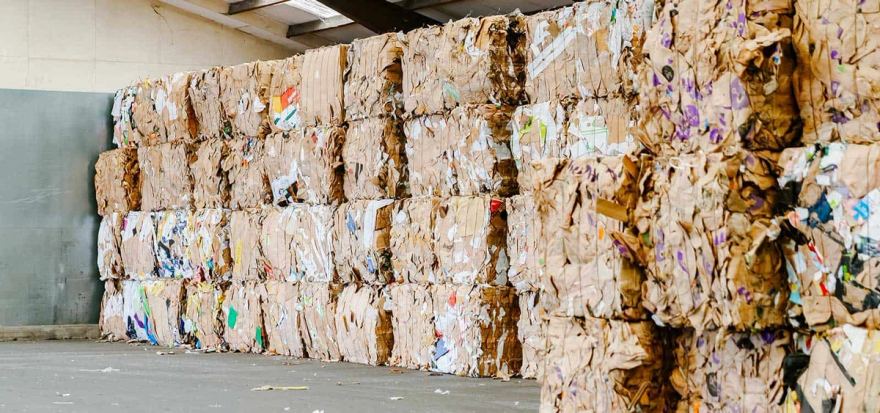
Start with what you produce most of. For most businesses that is cardboard, film, or both, and both have established markets.
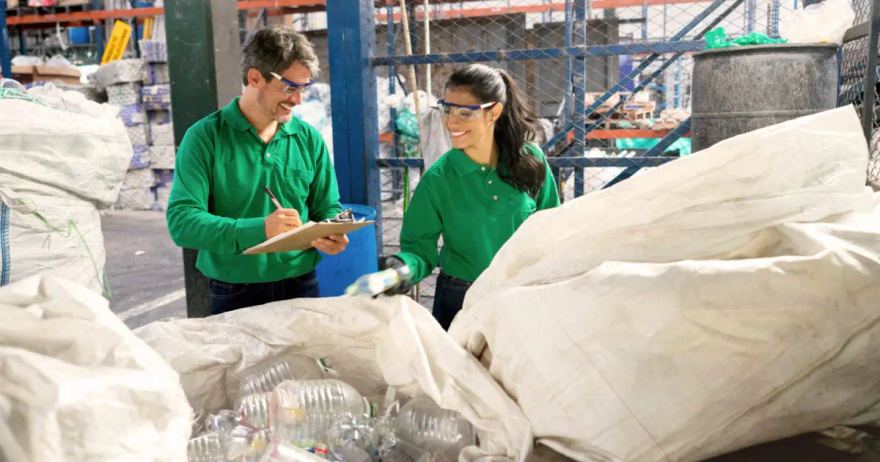
Find out what condition it needs to be in. Dry, single-material and reasonably free of contamination covers most of it.
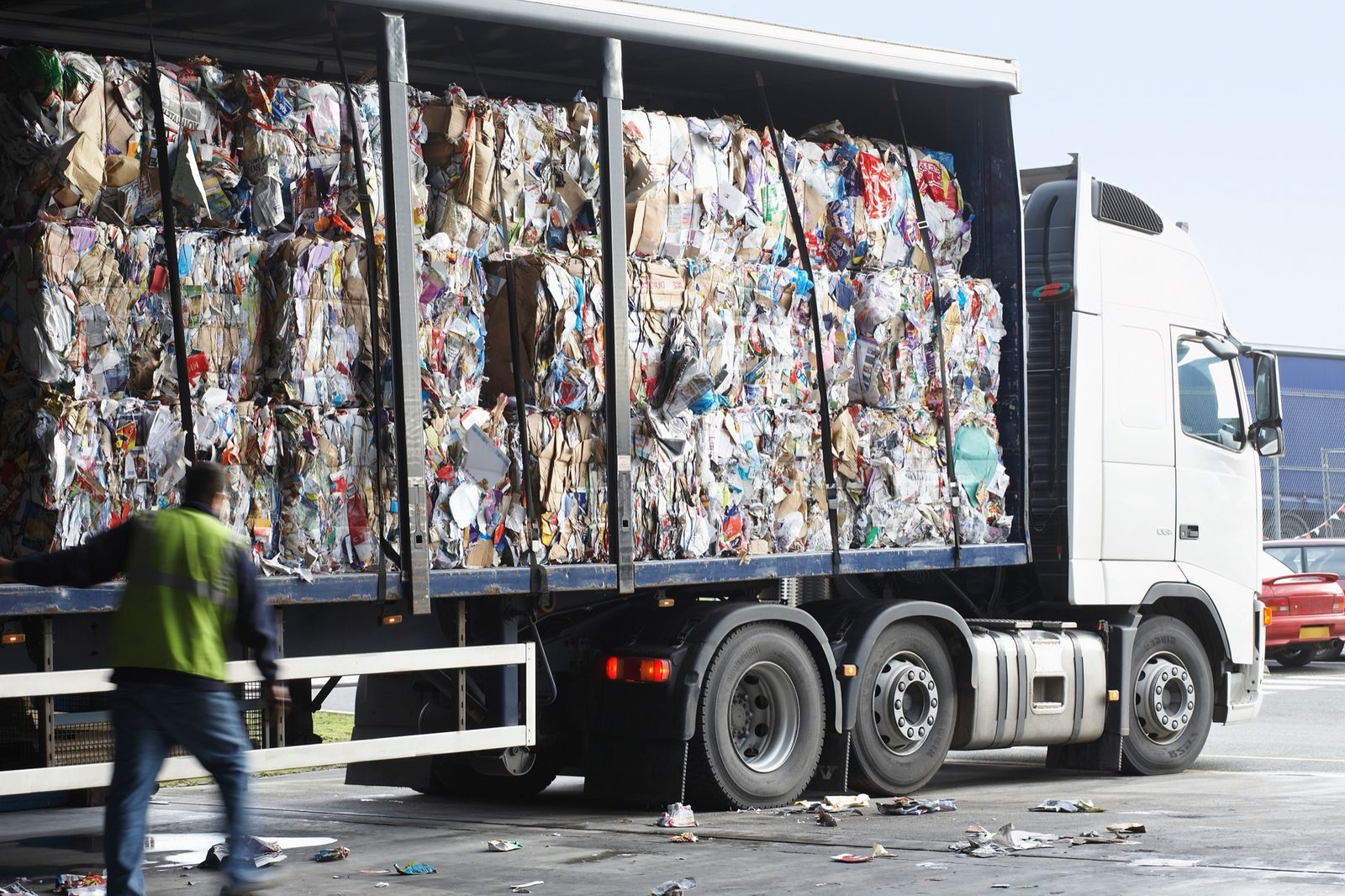
Work out whether it leaves your site as a cost or as a commodity. If it currently costs you money and there is a lot of it, that is usually the first thing worth changing.