Published
Most businesses know roughly what their waste costs. Far fewer know what is in it.
That gap is where the money sits. A general waste skip is priced on volume, not content, so a business paying to remove cardboard, film or clean production scrap is paying twice: once for the disposal, and again in the value of material that had a buyer.
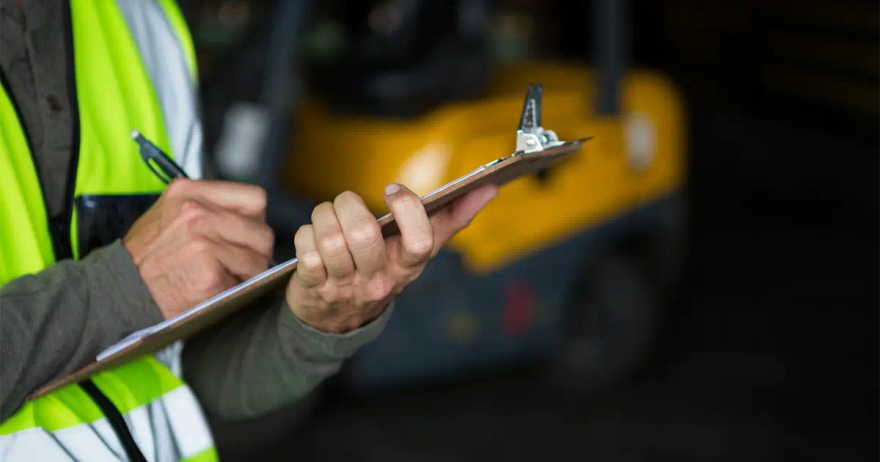
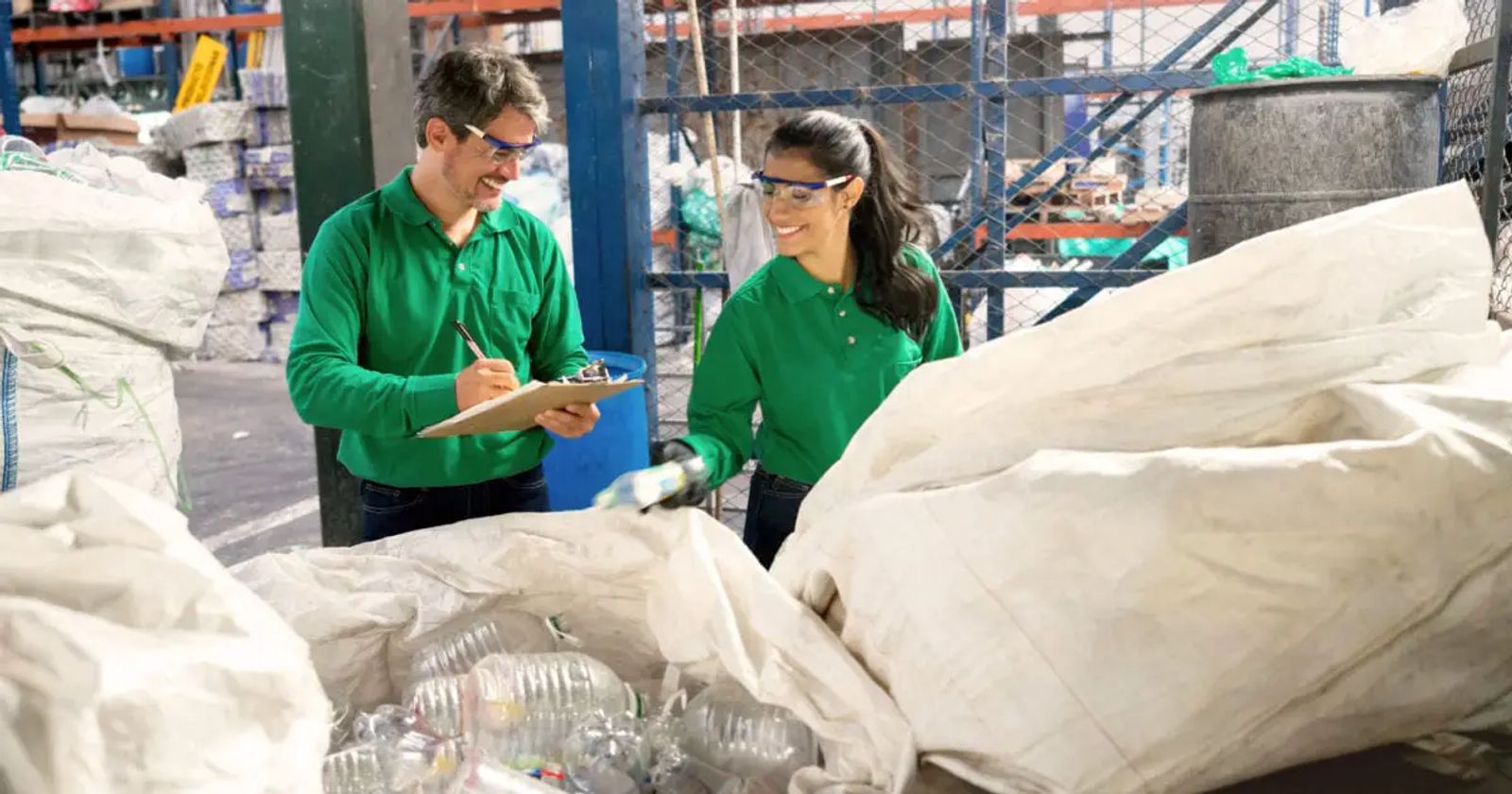
A waste audit is simply the exercise of finding out. Someone looks at what leaves your site, in what quantities, in what condition, and where it currently goes.
What an audit actually looks at
- What you produce, by stream. Not "general waste" but the components of it: corrugated, film, rigid plastics, paper, food. Most sites are surprised by the proportions.
- What condition it comes off in. Baled or loose, dry or wet, single-material or mixed. Condition is what separates a stream with a buyer from a stream that costs money.
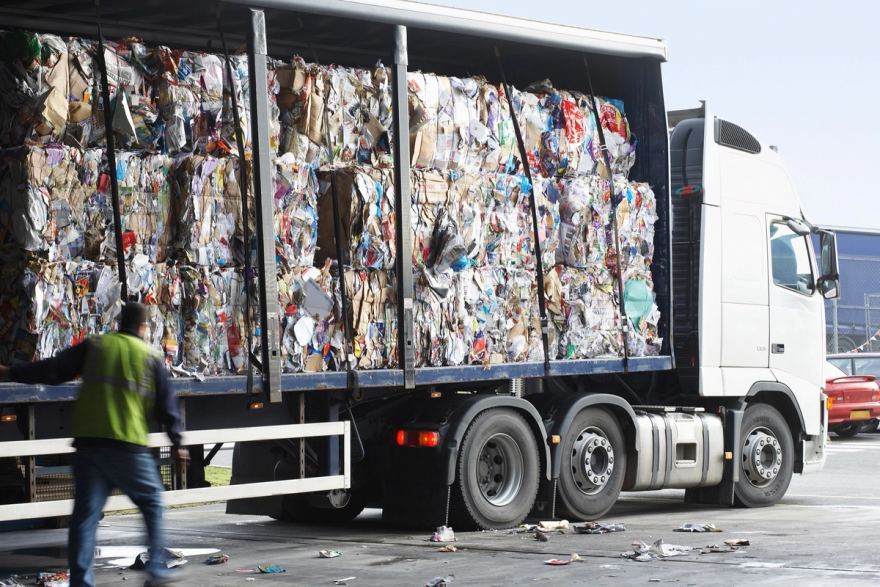
- How it currently leaves. Skip, compactor, general waste contract, or already segregated. This is usually where the obvious savings are.
- What it would take to change. Sometimes a bin in a different place. Sometimes baling equipment. Sometimes nothing at all.
What it typically finds
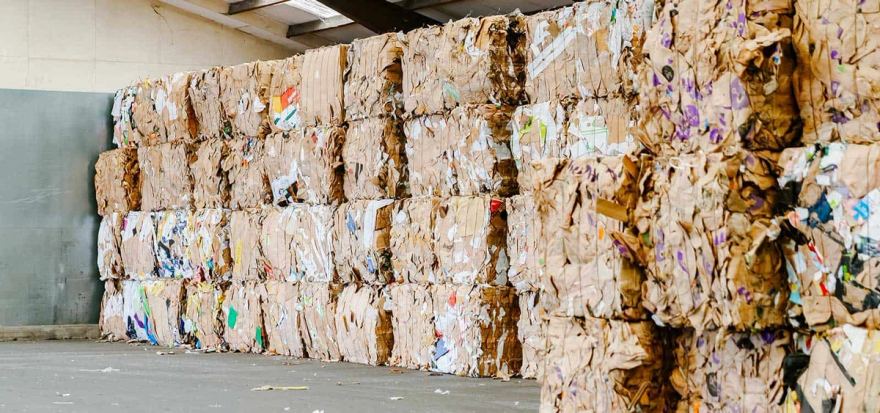
- Recyclable material in general waste. The most common finding, and the most expensive one. Cardboard in a general skip is a cost; cardboard in a bale is a rebate.
- Collections that do not match output. Businesses often pay for a schedule set years ago. If your skip goes out half-empty, you are paying for air.
- Streams worth separating. A site producing enough of one material to justify keeping it apart is usually producing enough to sell it.
- Streams not worth separating. Equally useful. Segregating a material you produce a pallet of a year costs more in handling than it returns.
Where the compliance side fits
Under duty of care, businesses are responsible for waste from the point it is produced until it is finally disposed of. That means knowing where it went and holding the paperwork to show it: waste transfer documentation on every movement, kept for two years.
An audit is a reasonable moment to check that chain is intact. Most sites find it is, but the paperwork is scattered across several suppliers rather than sitting in one place.
What we do
We carry out waste audits for businesses across the UK, at no cost. We look at what your site produces, tell you what has a market and what does not, and set out what would need to change to capture the value.
If the answer is that your material is worth buying, we will say so and quote for it. If the answer is that your existing arrangement is fine, we will say that too.